
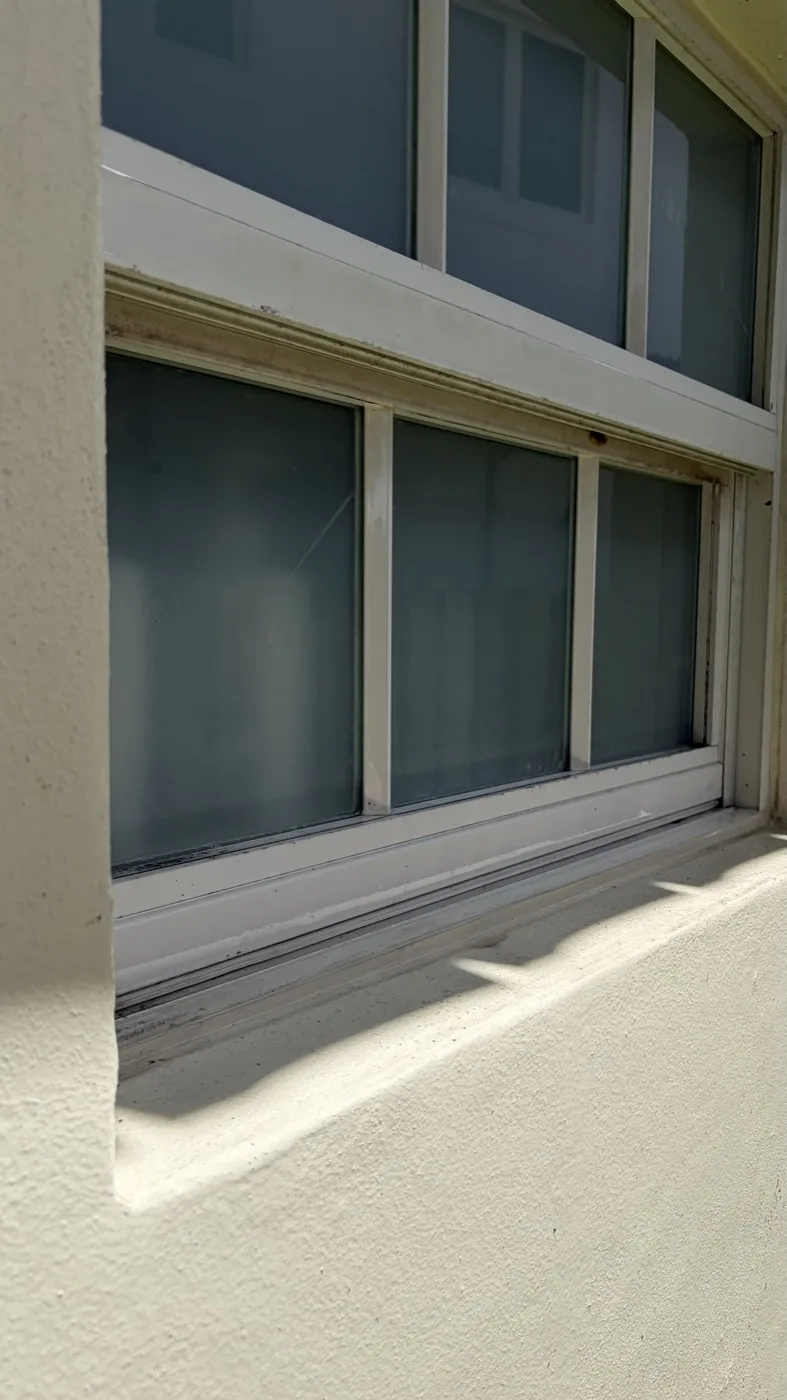
South Florida is harder on glass than almost anywhere else in the country. Salt air films ocean-facing windows on the barrier islands. Sprinklers running on well water leave orange-tinted mineral spots wherever the spray drifts. Shade from mature landscaping holds humidity against the panes and grows mildew film. And the June-through-November storm season throws wind-driven rain, debris, and grit at every elevation for half the year.
None of that means you need to obsess over your windows. It means the national advice of “clean them once or twice a year” understates what this climate does, and that a simple seasonal rhythm beats reacting to dirty glass. Here is a quarterly structure that fits how the South Florida year actually works, plus the inspection list to run each time.
The quarterly rhythm
Most homes here do well on a roughly 3-month cycle for exterior glass, adjusted for exposure. Homes on the beach or Intracoastal often tighten that to every 1-2 months because salt film returns fast; protected inland homes on city water can stretch to every 6 months. The honest range is covered in how often should residential windows be cleaned. What matters more than the exact interval is tying each visit to the season:
Winter (December-February). The dry season is the easy stretch: less rain, lower humidity, slower regrowth. A cleaning now stays clean the longest of any quarter. It is also the best time to inspect, because dry frames and tracks show their real condition without storm grime masking problems.
Spring (March-May). Pollen, love bugs, and construction dust from the busy building season coat glass quickly. This is the quarter to fix the causes: redirect sprinkler heads, trim back hedges, and deal with any mineral deposits before summer bakes them on. Hard sun plus mineral spray is how spots bond permanently, which is explained in what causes hard-water spots on windows.
Summer (June-August). Storm season proper. Daily afternoon downpours splash soil onto low panes and streak dust down upper ones. Do not chase perfection here; a mid-season cleaning keeps things presentable, and morning appointments dodge the near-daily 2-4 PM rain.
Fall (September-November). The tail of storm season is the heavy-inspection quarter. After the wettest months, check seals, weep holes, screens, and tracks for what the rain revealed. A post-season cleaning resets the glass for the dry months ahead.
The quarterly checklist
Walk the property once per quarter with this list. It takes about 20-30 minutes on a typical single-family home:
- Glass, every elevation. Look for ordinary film, sprinkler spotting, salt haze, and scratches. Check when sun rakes across the pane; that is when defects show.
- Failed seals. Fog or moisture between the panes of an insulated unit means the seal has failed. No cleaning fixes that; note it for a glazier.
- Hard-water spots. Wipe one with a damp cloth. If it does not come off, it has begun etching and needs restoration rather than routine cleaning; see water spot removal.
- Frames and sills. Look for chalking paint, corrosion on hardware (fast near salt air), and dirt dams in the sill that block drainage.
- Tracks and weep holes. Sliders should glide; weep holes should be clear so storm water drains out instead of into the wall.
- Screens. Check for tears, sagging spline, and mildew film. Screens act as filters and get dirty faster than the glass behind them.
- Sprinkler pattern. Run each zone for 2 minutes and watch where the spray lands. Any head hitting glass is your spotting source, especially on well water.
- Vegetation clearance. Keep hedges and palms roughly a foot off the glass so air moves and mildew has less shade to work with.
Check the glass by elevation
Elevations age at different speeds, and treating them alike wastes effort. The side facing the weather, usually east or southeast near the coast, clouds first. Glass inside a pool cage sits in trapped humidity and films faster than exposed panes. Shaded north-facing windows grow mildew film even when the sunny side looks fine. Note which elevations bother you and which stay presentable; a good maintenance plan cleans the fast-fouling sides more often instead of doing the whole house on the worst side’s schedule.
Interior glass runs on its own slower clock, driven by fingerprints, cooking film, and pets rather than weather. Many households include interiors every second or third exterior visit, a rhythm covered in do you clean interior and exterior windows.
Reduce recurring causes
The cheapest window maintenance is stopping buildup at the source. Three fixes pay for themselves quickly. First, adjust or swap any sprinkler head whose arc touches glass; on well water this single change can halve how often the affected windows need attention. Second, trim vegetation that holds shade and moisture against panes, since damp shade in this humidity means mildew every time. Third, fix gutters and downspouts that overflow across windows during summer downpours, which leave dirt tracks down the glass after every storm.
Know what to hand off
A checklist tells you the scope; it does not obligate you to do the work. Ladder heights, second-story panes over pool decks, and bonded mineral deposits are the usual handoff points. When you request window cleaning, the notes from your quarterly walk make the estimate accurate: which elevations foul fastest, which screens are fragile, where the sprinklers hit, and whether any glass has spots that will not wipe off. Ten minutes of observation turns a generic quote into a plan built for your actual house.
Published ; reviewed .