
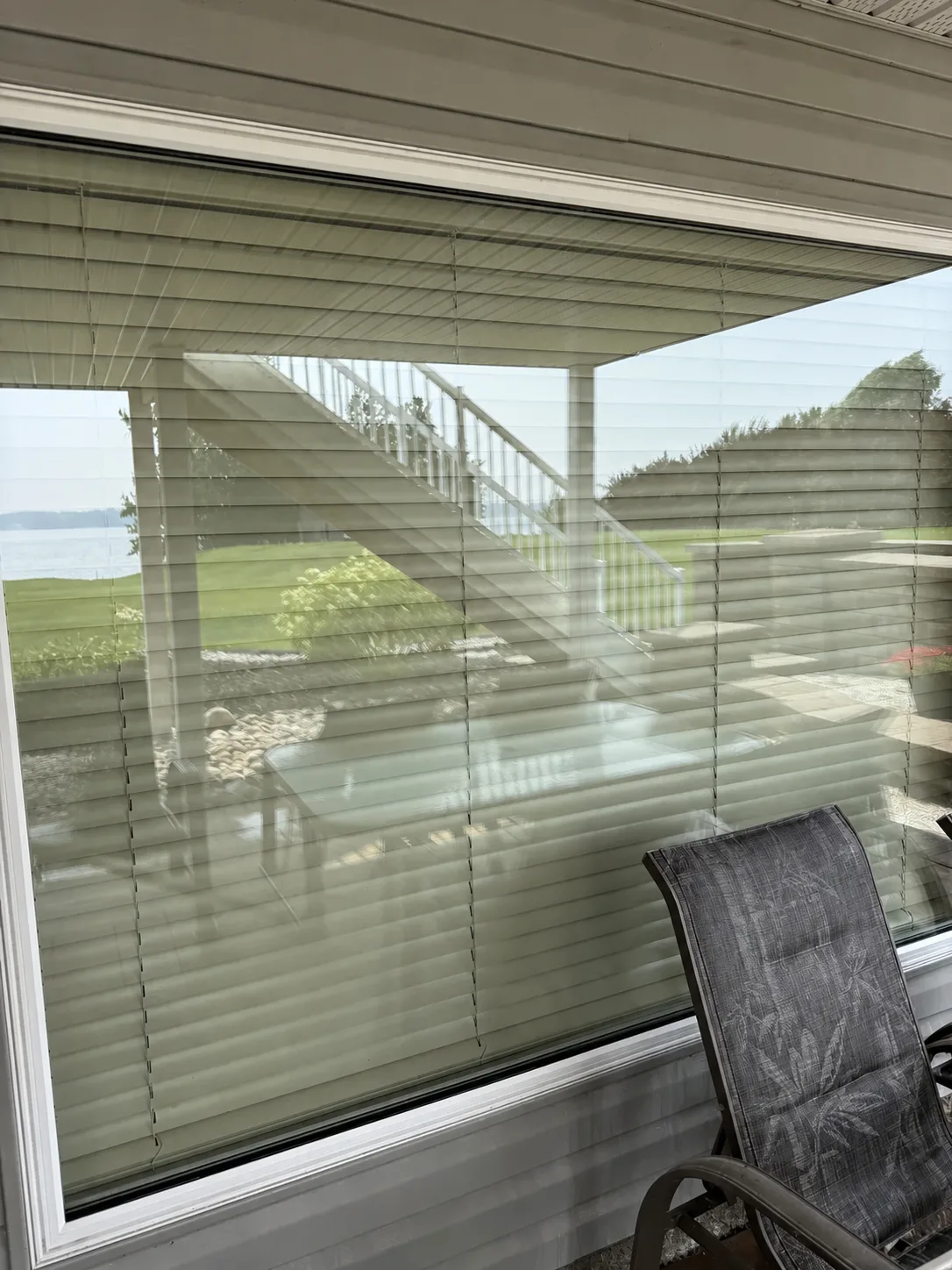
Mineral deposits can bond to glass in as little as 2 to 3 months of repeated wetting and, once bonded, may not respond to standard window cleaning. Gulfshine begins with an inspection and, where appropriate, a small test area before defining a restoration scope. That order matters: the test spot tells everyone what the glass can actually give back before anyone commits to a full treatment.
Where do the spots come from in South Florida?
The usual suspect is the irrigation system. Sprinkler heads that overspray onto windows leave a fresh mineral deposit with every cycle, and a zone that runs 3 or 4 mornings a week can build visible scale in a single season. Homes on well water get the worst of it, because dissolved iron in well water adds the orange rust staining familiar from streaked stucco and sidewalks across all 3 counties. Even municipal water here is moderately hard, so any water that dries on glass leaves minerals behind.
Rain adds its own version: water running off concrete lintels, stucco bands, or unsealed block picks up alkaline minerals on the way down and deposits them on the glass below, which is why spots often concentrate under a window’s header. Salt air near the coast contributes a haze of its own, and glass pool railings catch a double dose: sprinkler spray from one side and chlorinated splash from the other, which is why railing panels often spot faster than any window on the property. The full chemistry is covered in what causes hard water spots on windows; the practical point is that the source keeps refilling the glass until it is addressed.
Stage 1 and stage 2: why the distinction decides everything
The industry splits hard-water damage into 2 stages, and the split is the whole ballgame. Stage 1 means minerals are sitting on top of the glass: a bonded crust of calcium, silica, and iron that ordinary cleaning will not shift but that the right chemical and mechanical treatment can remove completely, because the glass underneath is intact.
Stage 2 means the minerals have begun etching into the surface itself, which in this climate commonly starts after 1 to 2 years of unaddressed deposits. Alkaline deposits left on glass in heat and sun do not just sit there; they slowly corrode the silica structure, leaving a ghosted texture in the glass. South Florida accelerates this, since a west-facing window that hits well over 100 degrees in afternoon sun is effectively baking its deposits on. At stage 2, removing the mineral still leaves the etch behind, and improvement depends on polishing, not cleaning. The inspection and test spot exist to tell you which stage you are looking at before money is spent.
Why glass restoration is not glass cleaning
Routine window cleaning works by dissolving and lifting soils with detergent and a squeegee. Restoration works differently at each step. Chemical treatment uses acidic compounds matched to the deposit type to break the mineral bond that neutral soap cannot touch. Mechanical work uses fine abrasives and polishing compounds, worked flat and evenly, to level bonded residue and reduce light etching. Both carry risk when done casually: the wrong acid strength can damage tempered glass coatings and low-E surfaces, and aggressive abrasive work in unskilled hands leaves wavy distortion that is worse than the spots. This is exactly why restoration is scoped as its own service, on eligible glass, at its own pace, commonly 5 to 15 minutes per pane, rather than bolted onto a cleaning visit at cleaning speed.
Results depend on the glass
Deposit depth, prior treatments, heat exposure, scratches, and surface damage can limit improvement. The assessment separates ordinary cleaning from restoration so expectations are clear before work is approved. Glass that a previous crew already attacked with harsh chemicals or scrub pads may carry damage under the deposits, tinted, coated, or heat-treated glass tolerates less aggressive treatment, and deeply etched stage 2 glass sometimes improves substantially without returning to perfect. Age matters too: a deposit that has cycled through 2 or 3 South Florida summers behaves very differently under treatment than one that formed over the last few months. An honest read after the test spot, including “replacement is the better spend” when that is true, is worth more than an optimistic promise. More on the realistic range of outcomes is in can hard water stains be removed.
Keeping the glass clear afterward
Restoration removes the deposit; it does not remove the sprinkler head pointed at the window. The highest-value follow-up steps are cheap: adjust or redirect irrigation heads so spray no longer reaches the glass, check that zones run at dawn rather than midday when droplets bake dry in minutes, and correct any roof or ledge runoff path that routes mineral-laden water over the panes. After that, routine washing on a regular cadence, commonly 2 to 4 times a year for exterior glass in this climate, keeps new minerals from re-bonding, because fresh deposits are easy to remove and 6-month-old deposits are not. Properties that want that handled automatically can fold glass care into a recurring exterior maintenance plan, which is considerably cheaper over time than restoring the same windows twice.
What it typically costs
Glass restoration is usually priced per pane, and across the South Florida market $10 to $25 per affected pane is the common range for stage 1 mineral removal, with heavily etched stage 2 glass costing more where polishing is even worthwhile. These figures describe the local trade, not a set rate. Deposit depth and age, pane size and count, coated or tinted glass, and ladder-versus-ground access are what separate a light job from an expensive one. Since the test spot determines what treatment the glass needs, the honest starting point is a property-specific estimate; the window cleaning cost guide covers routine glass pricing for comparison.
Who this service is for
- Residential homeowners
- Commercial properties
- HOAs and property managers
Surfaces and scope
- Eligible exterior glass
- Selected glass railings
Related questions
- What causes hard-water spots on windows? ; Mineral-containing water can dry on glass and leave deposits that build over repeated exposure.
- Can hard-water stains be removed from glass? ; Many mineral deposits can improve, but depth, glass condition, and prior treatment determine what is safely achievable.
Water Spot Removal is available across our South Florida service areas where the property and surfaces are a fit, mention it when you request an estimate.
Last updated .