
“Pressure washing” gets used as a catch-all phrase, but the range hiding inside it is enormous. Bare concrete is typically cleaned at 2,500-3,500 PSI. Soft washing a painted wall runs under 500 PSI, roughly garden-hose force, with a cleaning solution doing the real work. That is a 5-to-7x difference in force, and applying the concrete setting to the wrong surface is how paint gets stripped, screens get torn, and roof tiles lose their finish.
The full distinction between muscle and chemistry is laid out in what is the difference between pressure washing and soft washing. This guide applies it surface by surface, because most South Florida properties need both methods in the same visit.
Surface-by-surface summary
| Surface | Right approach | What to avoid |
|---|---|---|
| Concrete driveways, sidewalks | Pressure washing, 2,500-3,500 PSI, surface cleaner for even results | Holding a narrow tip close enough to etch wand lines |
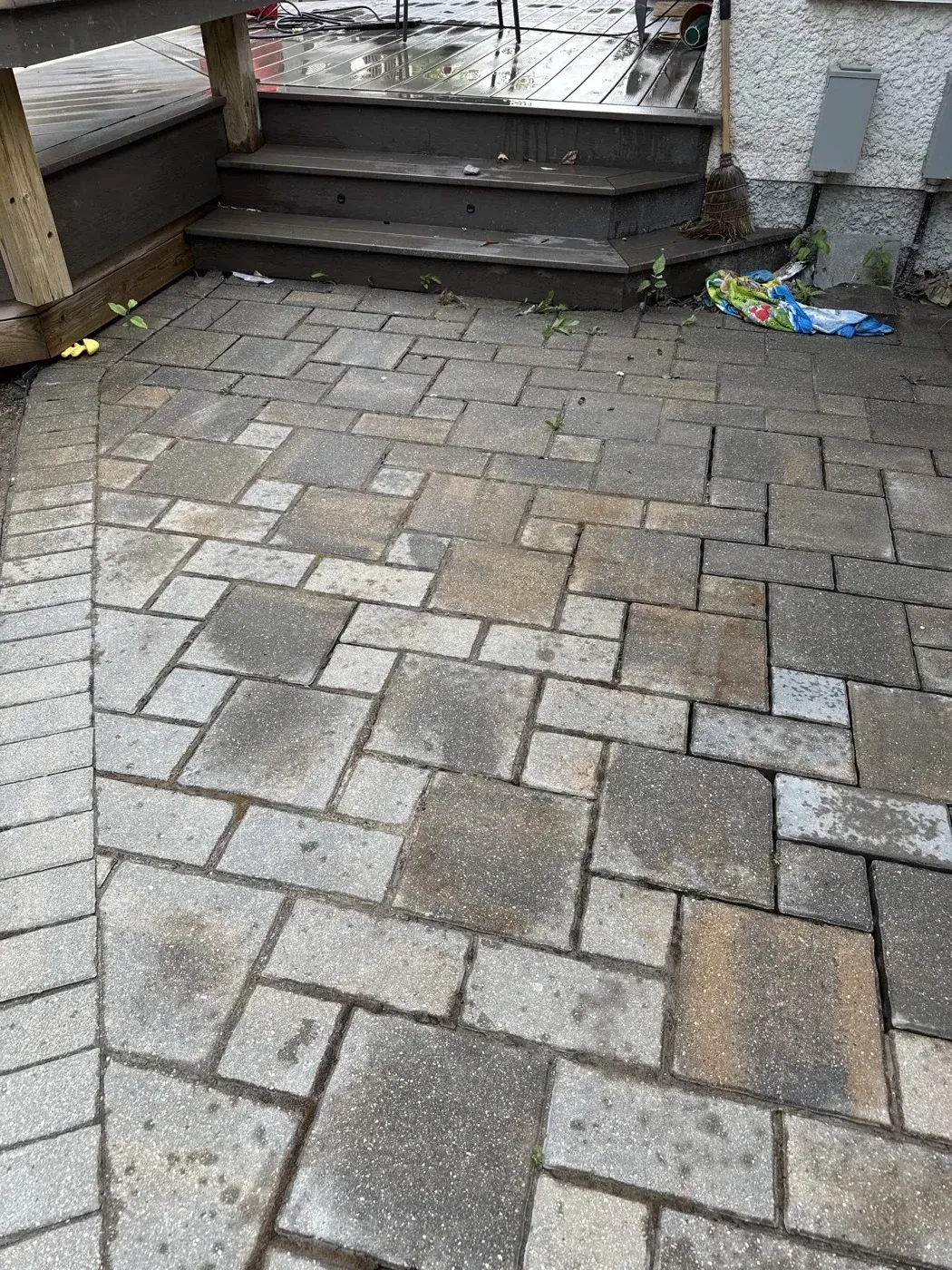
| Brick pavers | Moderate pressure, wide fan, joint-aware technique | Blasting out joint sand; stripping sealer prematurely |
| Travertine, marble, soft stone | Low pressure with an appropriate cleaner | High PSI, which pits and erodes the stone face |
| Wood decks, fences | Soft washing or low pressure (well under 1,000 PSI) with the grain | High pressure, which furs the grain and gouges soft boards |
| Painted stucco, siding | Soft washing, under 500 PSI | Any real pressure; it strips paint and forces water behind cracks |
| Roofs (tile, shingle, metal) | Soft washing only | Pressure of any kind; it destroys granules and tile finish |
| Screens, pool cages | Gentle soft wash rinse | Direct pressure, which stretches and tears mesh |
Concrete: the one surface built for force
Plain concrete is the reason pressure washers exist. It shrugs off 2,500-3,500 PSI, and embedded tire marks, oil shadows, and ground-in grime need that mechanical force, chemistry alone would take all day. The professional detail is the tool: a rotary surface cleaner produces an even finish, while a wand held at inconsistent distance leaves the striped “zebra” pattern you see on DIY jobs. Even here, restraint matters. Every aggressive pass opens the surface pores slightly, so washing on need rather than habit is the right rhythm, for most driveways here that means once or twice a year, more in deep shade.
Pavers: durable brick, fragile joints
The brick is tough; the sand between the bricks is not. High pressure aimed into the joints excavates the sand that locks the field together, leaving wobbly pavers and washout channels for weeds. The safe method uses moderated pressure and a wide fan angle, then re-sands where joints were disturbed. Sealed pavers add a second constraint, since aggressive washing strips sealer years early and costs you the coating you paid for. Details are in is pressure washing safe for pavers, and if your pavers are due for protection afterward, a fresh coat of sealer locks in the clean.
Travertine and marble: stone that acts soft
South Florida pool decks love travertine, and travertine does not love pressure. It is a porous, relatively soft stone; high PSI pits the surface, blows out the natural voids, and leaves permanent wand marks. Marble is denser but scratches and etches easily. Both want low pressure and a cleaner suited to calcium-based stone, never a harsh acid. If a contractor quotes your travertine deck at driveway settings, keep looking.
Wood: with the grain, gently
Deck boards and fence pickets fur up under high pressure as the machine tears out the soft spring-wood between grain lines, leaving a fuzzy surface that grays fast and splinters. Wood wants a cleaning solution, a gentle rinse well under 1,000 PSI, and passes that follow the grain. Old, sun-dried wood is even less forgiving.
Painted stucco and siding: chemistry only
This is the highest-stakes surface on the list. Real pressure on painted stucco strips paint, opens hairline cracks, and drives water into the wall where it shows up later as interior stains. Soft washing at under 500 PSI kills the mildew and algae at the roots and rinses clean, and because it kills growth rather than shaving it off, walls stay clean longer, often a year or more, because the growth is dead rather than trimmed.
Roofs and screens: never pressure
The black streaks on South Florida roofs are algae, and they die under a soft-wash treatment with no force at all. Pressure on a roof strips shingle granules or breaks tile surface, taking years off the roof to fix a cosmetic problem; roof washing exists as its own discipline for that reason. Screens and pool cages are the same story at smaller scale: mesh stretches and tears under direct spray, but a solution and gentle rinse leave enclosures bright without a single torn panel.
Timing and site planning
South Florida seasonality matters. The June-November storm season regrows algae fast and delivers near-daily afternoon downpours, so summer washing works best in morning slots; the winter dry season is when results last longest, and a wash before storm season starts denies mildew its foothold. On site, plan where the water goes: protect pool equipment, cover outlets and fixtures, pre-wet and rinse vegetation, close windows and doors, and move vehicles out of the spray zone. Well-water irrigation deserves a look too, since rust-stained concrete needs a different treatment than organic grime.
The takeaway is simple: never ask whether a company pressure washes. Ask which method they plan for each surface of your property. A pressure washing estimate that names the approach per surface, and the PSI thinking behind it, is the one that protects what you own.
Published ; reviewed .